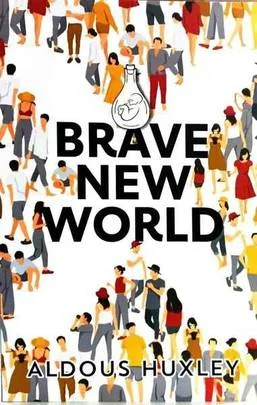
Set in a future society where people are engineered, conditioned, and kept content through pleasure and consumption, Brave New World follows a world organised around stability rather than individual freedom. Aldous Huxley's 1932 novel explores what it means to be happy, to belong, and to think for oneself when every desire has been anticipated and managed.
The story moves between the orderly capital of this society and a reservation beyond its borders, where life follows older customs and a very different set of values. Through these contrasts, the novel raises enduring questions about technology, science, class, and the price of comfort.
Readers who enjoy classic dystopian fiction, philosophical novels, or thoughtful social satire will find it rewarding, and it remains a staple for students and anyone curious about the ideas that shaped modern speculative writing.